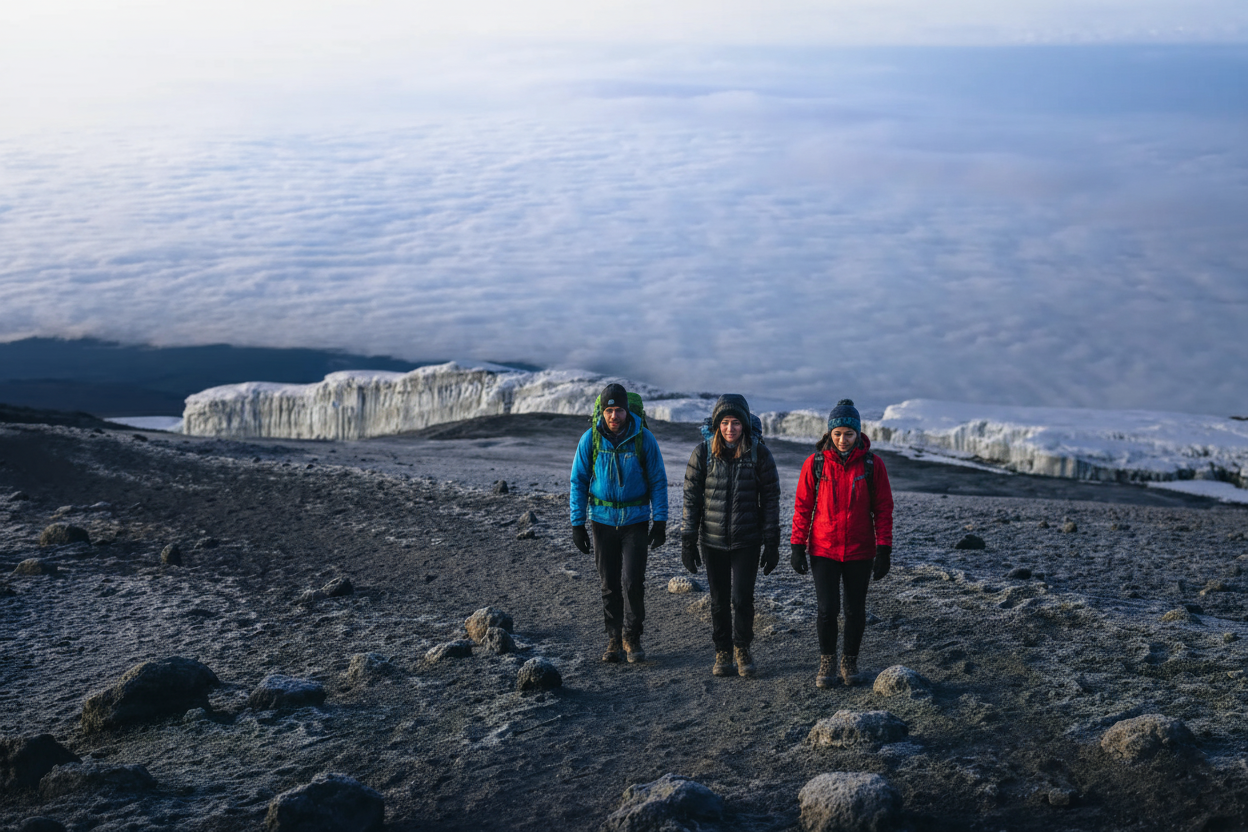
The Rongai route is a less popular trail for climbing Kilimanjaro, but it has many unique advantages. It begins on the northern slope of the mountain in a coniferous forest and traverses a variety of climatic zones. The descent follows the Marangu route on the southwestern side of Mount Kilimanjaro. Here are some reasons why this route is a top choice for climbing Kilimanjaro in 2025:
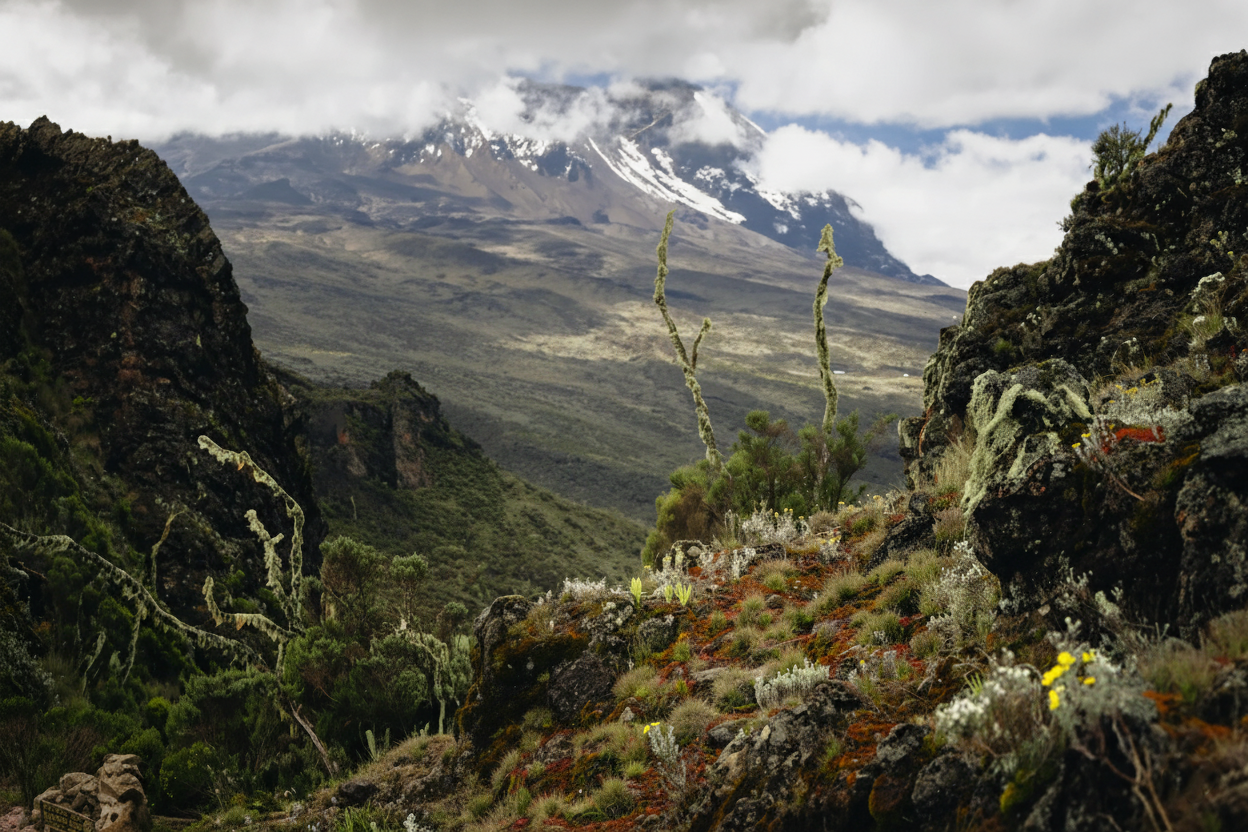
Firstly, the Rongai route is much less crowded than the more popular southern trekking routes. You can expect to encounter ten times fewer trekkers on this trail! Secondly, it offers stunning scenery, including breathtaking views of Mawenzi and Kibo—two of Kilimanjaro’s volcanic cones, as well as the surrounding landscapes of Tanzania. You’ll also see unique flora, such as Kilimanjaro Giant Groundsels and tropical forests during the descent.
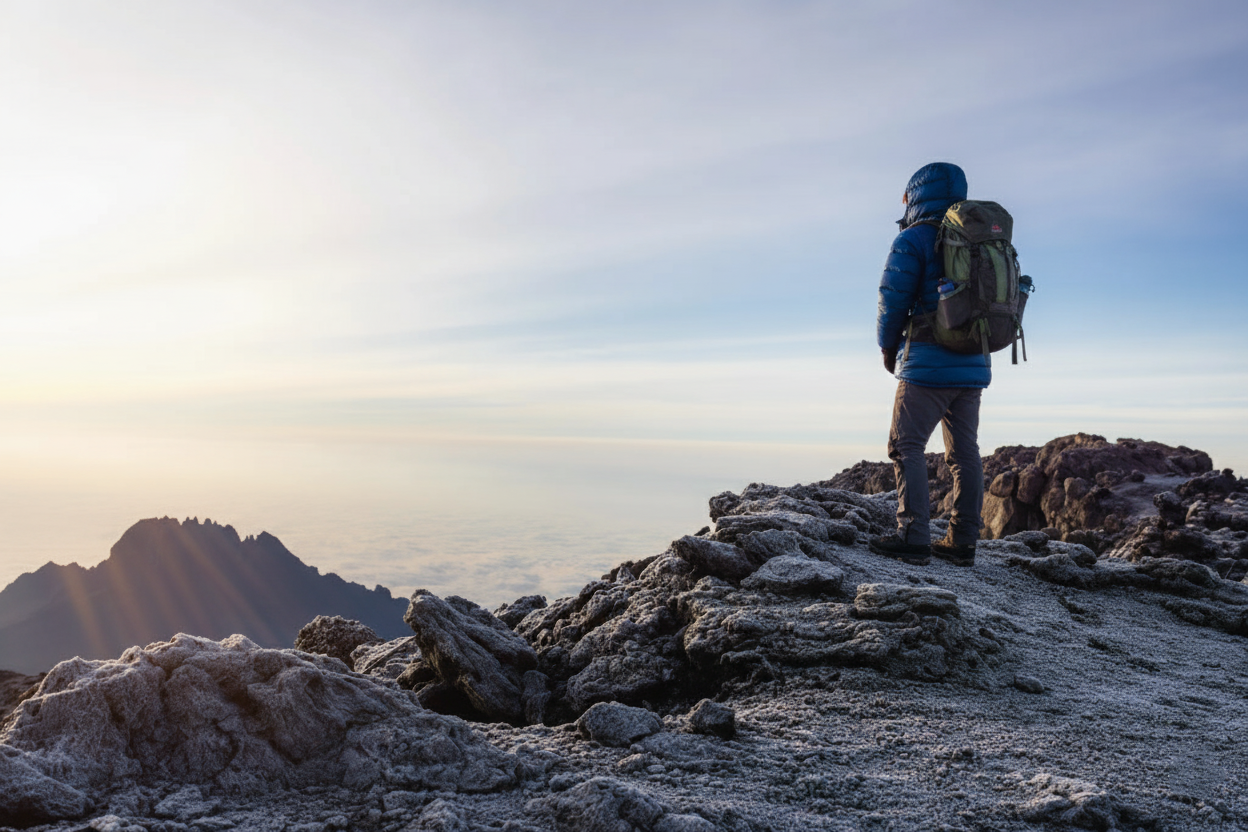
While the northern slopes are drier and have less dense vegetation, there is still plenty to enjoy on your journey. Imagine waking up near the majestic peak of Mawenzi, with its rocks illuminated in the soft hues of sunrise, and watching rare Bearded Vultures glide gracefully towards the distant horizon of Kenya. This route provides trekkers with a more secluded and intimate experience, making it an excellent option for those seeking a quieter adventure on Kilimanjaro.
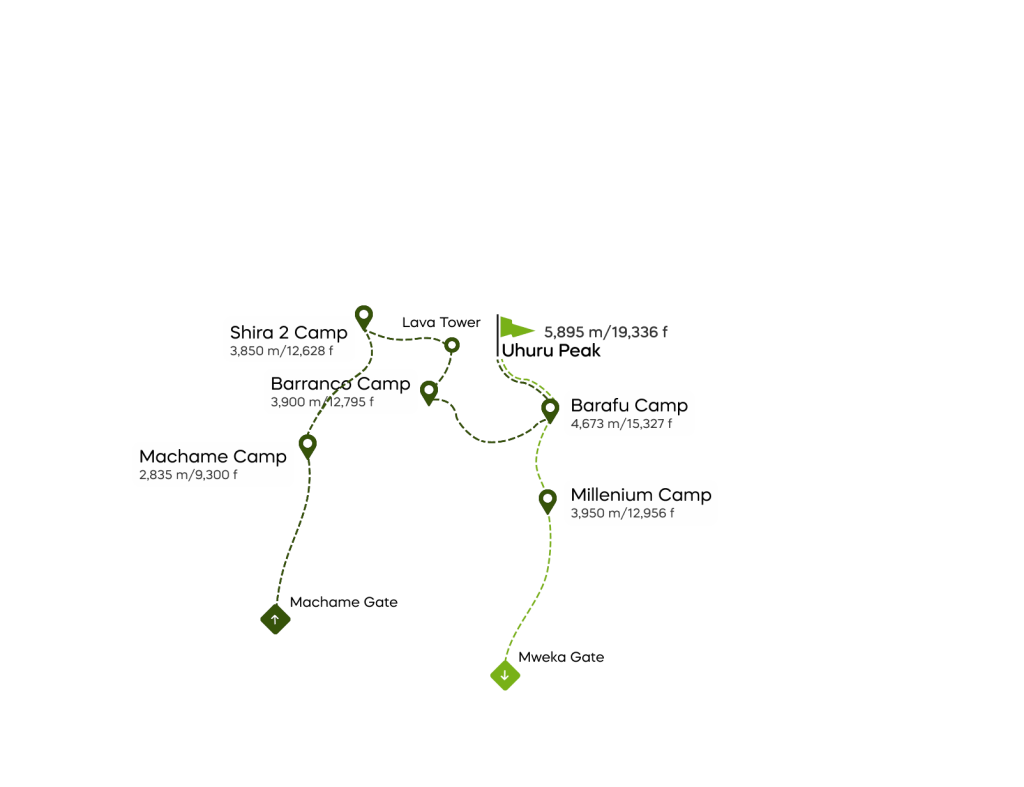
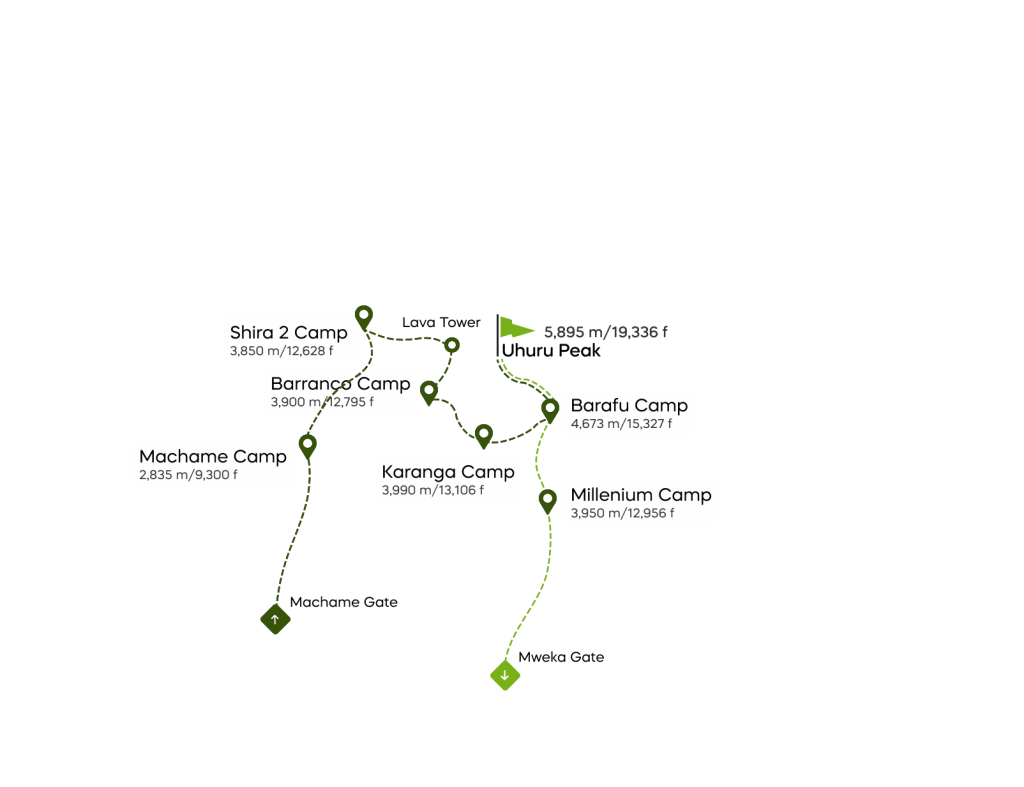
Since 2010, we have organized thousands of epic Mount Kilimanjaro climbs and kept detailed statistics. Here are the summit success rates for the Rongai route:
– 6-day trek: Crater Rim: 91.0%, Uhuru Peak: 86%
– 7-day trek: Crater Rim: 93.9%, Uhuru Peak: 86.8%
The data indicates that the 7-day Rongai itinerary has a slightly higher summit success rate than the 6-day option. It’s important to note that many hikers who choose the 6-day route already have some climbing experience, which helps them reach the summit despite the higher difficulty. This means that beginners following the 7-day itinerary will have a significantly better chance of summiting.
We take pride in presenting accurate summit success rates without any deception. Several factors contribute to making your expedition both safe and memorable while maximizing your chances of summiting.
First and foremost, the experience and professionalism of our mountain guides are crucial. They are experts in high-altitude acclimatization and will assist you if any symptoms of altitude sickness arise, ensuring your well-being is our top priority. Many other operators struggle to fulfill high summit success promises due to a lack of experienced guides. We offer the best wages in the region and heavily invest in the training and education of our staff, allowing us to attract top talent to our team.
Additionally, rigorous safety protocols and equipment are vital. Our guides conduct two in-depth medical check-ups daily to ensure your acclimatization is progressing well. We also have more oxygen tanks than all other Kilimanjaro companies combined, along with specially designed first aid kits that contain a wide range of medications. All these factors combine to provide you with the best chance of reaching Uhuru Peak.
Our team is always here to help