Embark on an unforgettable ten-day adventure as we immerse ourselves in the breathtaking beauty of four iconic locations in Tanzania’s Northern Circuit. Leaving Arusha behind, we begin our journey in Tarangire, a mesmerising haven known for its majestic herds of elephants and the striking silhouettes of its baobab trees.
Next, prepare to be captivated by the Serengeti, where our thrilling game drives will transport you across vast, open plains, offering unparalleled opportunities to witness an astonishing array of wildlife in their natural habitat.
Our exploration continues at the awe-inspiring Ngorongoro Crater, a UNESCO World Heritage Site, where we’ll seek the elusive black rhino and encounter a wealth of other remarkable creatures. We will then venture into the enchanting Empakaai Crater—smaller yet equally breathtaking—offering a unique perspective on Tanzania’s stunning landscapes.
Finally, we arrive at the lively Lake Manyara, one of Tanzania’s compact gems, bursting with diverse wildlife, all set against the dramatic backdrop of the Great Rift Valley escarpment. This meticulously crafted adventure promises not only breathtaking sights but also unforgettable memories that will last a lifetime.
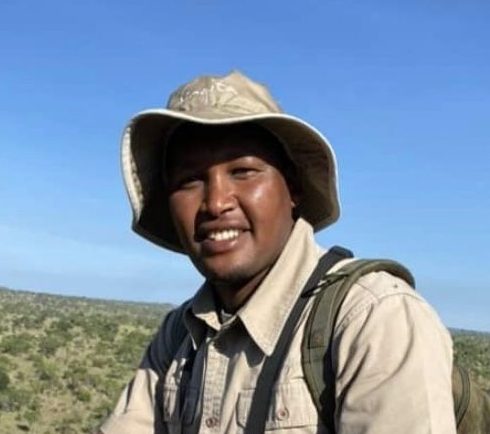
Regardless of your arrival time at Kilimanjaro International Airport, your Easy Travel driver-guide will be ready to welcome you with a genuine smile. Sit back and unwind in the comfort of your vehicle as you embark on a scenic one-hour journey to your hotel in Arusha, proudly known as Tanzania’s ‘safari capital.’ Along the way, you’ll catch a glimpse of this vibrant and bustling city, setting the stage for your incredible adventure ahead. Depending on when you arrive, you might have the opportunity to attend your pre-safari briefing today; if not, rest assured it will be scheduled for the early morning tomorrow. Get ready for an unforgettable experience!
Tour Briefing
Unless your arrival time yesterday allowed time for your safari briefing, then this will take place after breakfast. We will provide you with all the essential information, before we set off westwards then south to our first safari destination, Tarangire National Park. On arrival at the park we will take our first game drive, then lunch, then further explore the park with our afternoon game drive.
Journey: Arusha to Tarangire National Park
Our two-hour (120km) journey first takes us westwards from Arusha. Along the route, your eyes will be opened to all the colours and character of Tanzania: perhaps some Maasai herdsmen driving their flocks of goats to new pastures. You’ll get to know your driver-guide, amazed at his depth of knowledge as he effortlessly answers all your questions.
Day’s Highlight
Your afternoon game drive in Tarangire, with its incredible diversity, massive baobab trees and herds of elephants.
Safari (Game Drive) in Tarangire National Park
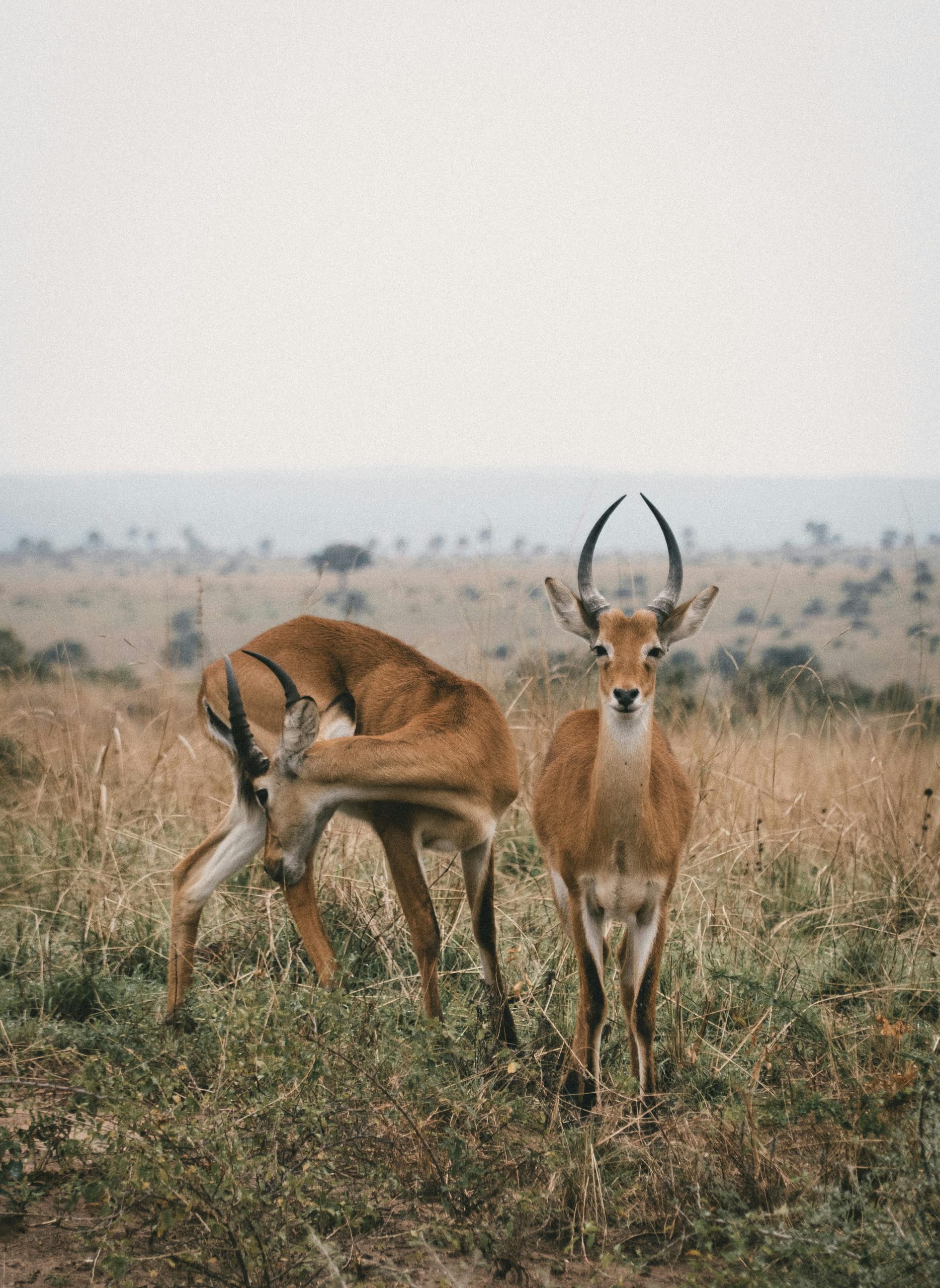
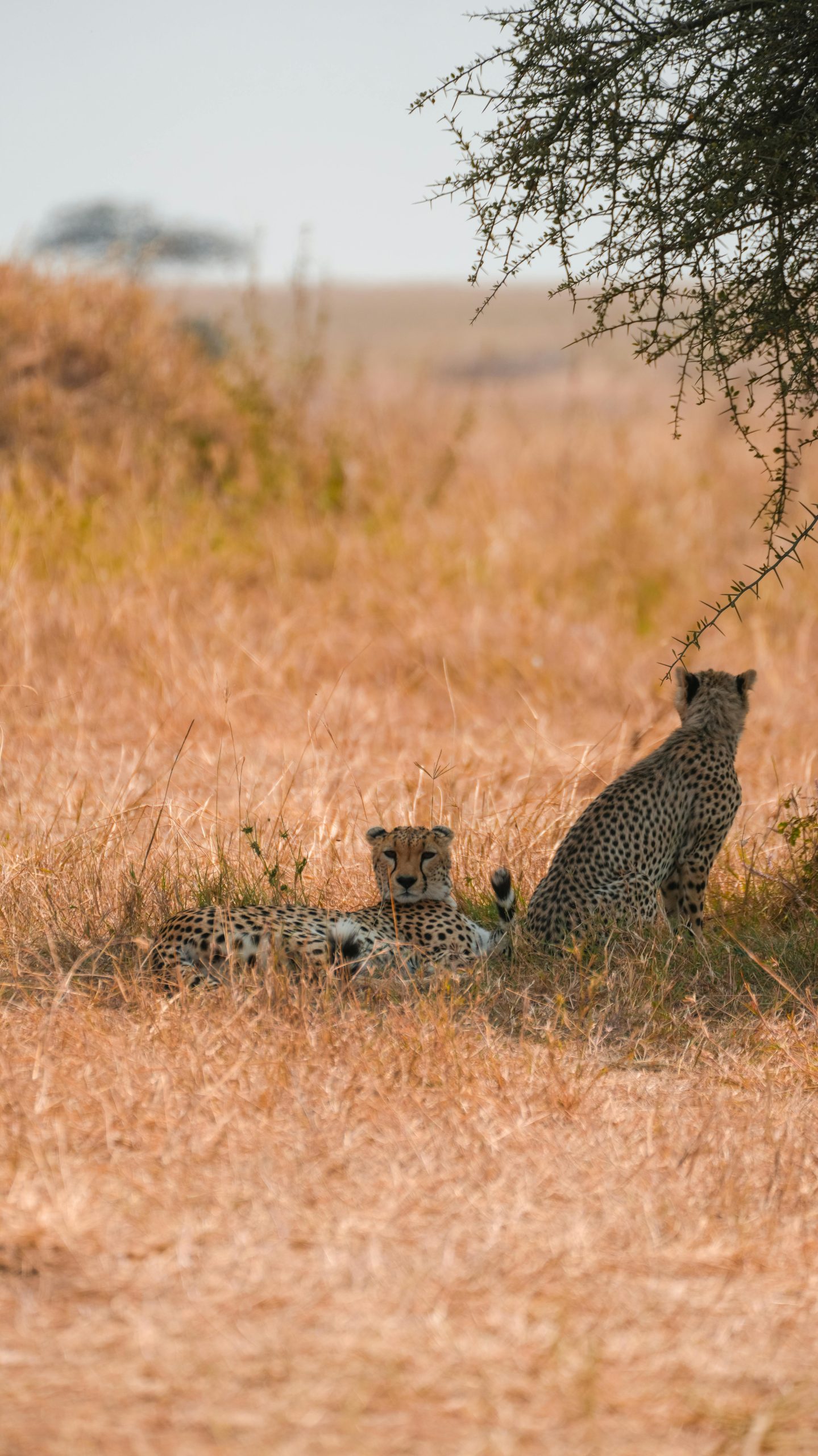
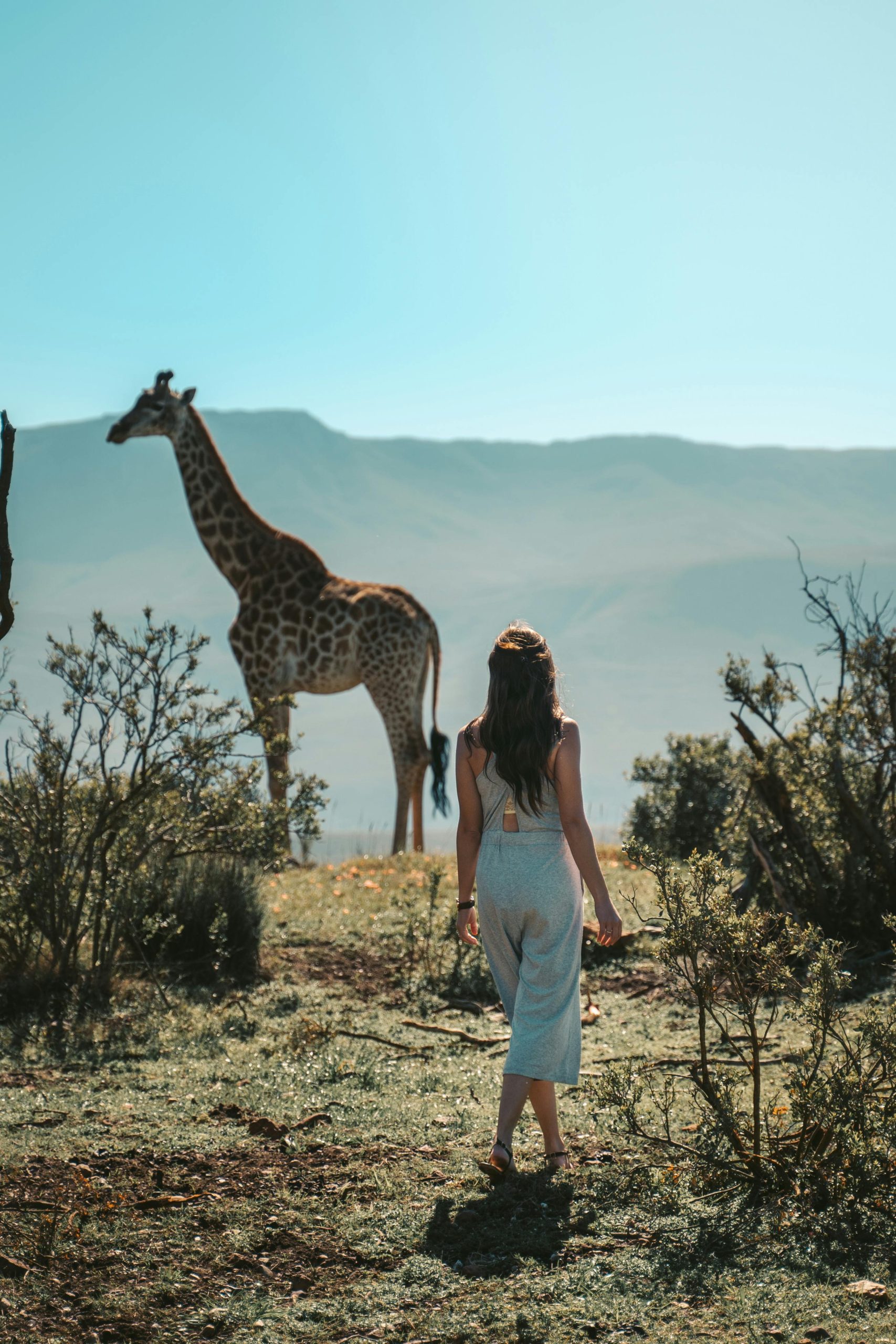
Tarangire is huge. As you stand at the park gate and look south, it stretches as far as the eye can see. Known as the ‘Elephant Playground,’ this phenomenal park contains huge herds of these mighty mammals. But Tarangire is also home to buffalo, lion, wildebeest, zebra and gazelle and the park can rival Serengeti for sheer animal densities. What might you see today? Perhaps a solitary male lion stretched out beneath a tree, perhaps a trio of male cheetah enjoying some lazy bonding-time in the sun. Maybe some graceful Grant’s gazelle or zebra bounding away from the road or a couple of giraffe munching happily from the choicest acacia branches. For Tarangire specialities, look out for kudu and oryx.
Here as in other parks, it pays not to ignore the small animals. It’s so easy to be mesmerized by the power and majesty of an elephant or the elegance of the giraffe. Ask your guide to find you an agama lizard, especially a male one who changes colour in front of you according to the temperature! Or a hyrax, known as pimpi, an insignificant-looking creature of around 30cm in length…who astonishingly is related to elephant!
Not many trees will pass you by without something of avian interest catching your eye. A memorable flash of colour might be a lilac-breasted roller or blue-eared starling. Ostrich are plentiful and it’s hard not to chuckle at the sighting of the well-named, studious-looking secretary bird as it awkwardly pads across the grasslands.
The park is also famous for its splendid baobab trees, rolling savannah and acacia woodland. It can be dusty – wear a scarf over your mouth – but this is a minor inconvenience for sighting wildlife in such abundance.
Day’s Highlight
The chance to get close to the wildlife on a morning will surely stay in your memory for ever. After our lunch, we will climb aboard our vehicle to explore the many wonders of this diverse park.
Safari (Game Drive) in Tarangire National Park
You may have thought that you have seen all that Tarangire has to offer, but you will certainly enjoy some new experiences as we explore the park further in our morning game-drive.
The varied terrain in itself could be considered a wonder, with riverine woodlands and grasslands, acacia and baobab. Amazingly, some 550 bird species have been recorded here, and it won’t be long before an air-bound blaze of colour alerts you to something interesting. You might recognise an ostrich or a stork, but if you can’t identify the smaller species, there’s no need to worry – that is what your expert driver-guide is here for!
The birds are exotic and so are the names: what about the ‘white-bellied go-away bird’ or the ‘Madagascar bee-eater’ for example? But of course, we will also see plenty more large mammals this afternoon.
Journey: Tarangire National Park to Serengeti National Park
With Serengeti as our destination, and with the wonders of Tarangire still fresh in your mind, we set out to the north and west for our 5 ½-hour (280km) journey. On the journey, you can quiz your driver-guide about all aspects of Tanzanian culture, traditions, tribes and of course wildlife. Treat him as an ‘encyclopedia on legs’ – he will rarely disappoint with his answers! In no time, you too will feel like an expert, even before you reach the awesome Serengeti plains. On arrival, we will enjoy our lunch before taking an afternoon game drive.
Day’s Highlight
Here’s a National Park which will offer you a whole variety of wildlife surprises over the next few days, but perhaps today’s highlight – certainly for first-time visitors – will simply be the Serengeti terrain itself. The sheer vastness, as the plains roll away in front of you into eternity, will leave you with a sense of awe.
Safari in Serengeti National Park
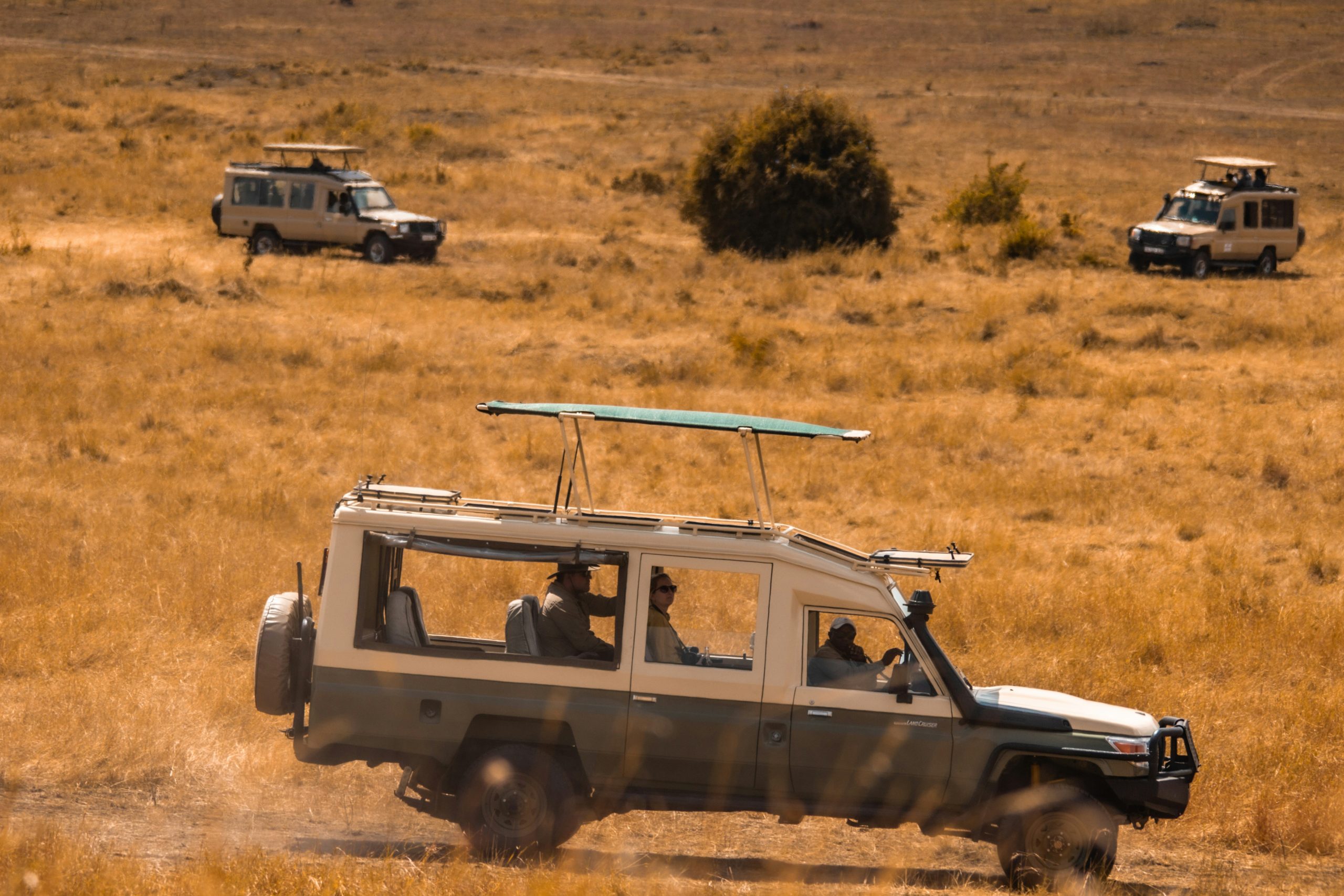
At last! Serengeti, the incomparable wonder of Tanzania, will be the stage for the natural animal theatrics which will be performed over the next few days. Your afternoon game drive here combines the known with the unknown, the certainty that you will be amazed with the uncertainty of exactly what you will see and when. Changing light, a changing cast of animal actors, ensuring that at every turn there is a new experience. Snap off some memorable photos, but don’t forget to simply take a deep breath and enjoy nature in its real-time, raw beauty.
Day’s Highlight
Today, we set off from our accommodation in the Central Serengeti. Wildlife is abundant: sometimes you may think it has come to find you, rather than the other way around. Today’s highlight is unknown, as the animals don’t publish their schedule (!) What we see also depends on the season, but this area is where bushland meets grassland, a favorite spot for big cats looking for prey. Cheetah, leopard and lions are all possibilities today.
Safari in Serengeti National Park
Today is a full day of discovery, a chance to enjoy the varied landscapes of the Central Serengeti. The Seronera River weaves its way through this area, providing waters for all species of wildlife. You will also see the distinctive rocky outcrops, the famous kopjes which characterize the Serengeti landscape.
Lunch will be an unforgettable experience, enjoyed in the middle of the bush. Everything here varies with the seasons, but in May, November and December migrating herds join the already rich population of resident animals which live here year-round. (In the rainy season, the landscape turns black with hundreds of thousands of wildebeest – a simply incredible sight.)
Day’s Highlight
Again, our highlight is waiting to reveal itself. But do look out for the magnificent sight of the world’s heaviest bird capable of flight, the Kori Bustard. The avian equivalent of a lumbering cargo plane, it can weigh up to 15kg and has a wingspan of nearly three metres!
Safari in Serengeti National Park
With its informative visitor centre, the Seronera area of Central Serengeti is the national park’s most popular area. And it is very popular with the wildlife, too. The Seronera river enjoys year-round waterflow, so there is always something of interest to observe. Several game drives can be undertaken here and might reveal lions in sizeable prides, hippo or herds of elephants, whose populations in the park have risen in recent times.
Depending on animal movements and sightings, we may choose to call in at the Serengeti Visitor Centre, where there is an excellent explanation of the park’s eco-system and a chance to understand the history of conservation in this area. In particular, you will find out about the work of the Frankfurt Zoological Society and of Bernhard Grzimek who had the foresight and vision of preserving the Serengeti’s eco-system. Even at this center, you may well find wildlife: populations of hyrax and mongoose, as well as many small bird species.
Journey: Serengeti National Park to Ngorongoro Conservation Area
After a morning game drive and lunch, this afternoon we will head south-east towards Ngorongoro, a distance of 145km which will take us around 3 ½ hours.
Day’s Highlight
Today, we will get our first sight of the spectacular, incomparable Ngorongoro Crater, the world’s largest intact volcanic caldera and the heart of the Conservation Area of the same name. But before that, we have another morning game drive in amazing Serengeti, marveling at its animal inhabitants. Another day of adventure, another day to enjoy the wildlife.
Safari in Serengeti National Park
With its informative visitor centre, the Seronera area of Central Serengeti is the national park’s most popular area. And it is very popular with the wildlife, too. The Seronera river enjoys year-round waterflow, so there is always something of interest to observe. Several game drives can be undertaken here and might reveal lions in sizeable prides, hippo or herds of elephants – whose populations in the park have risen in recent times. Depending on other attractions, we may choose to call in at the Serengeti Visitor Centre, where there is an excellent explanation of the park’s eco-system and a chance to understand the history of conservation in this area. In particular, you will find out about the work of Bernhard Grzimek and the Frankfurt Zoological Society who had the foresighted vision of preserving the Serengeti’s eco-system. Even at the center, you may well find wildlife: populations of hyrax and mongoose, as well as many small bird species.
After lunch, we head south-east towards Ngorongoro. If it has not already struck you with its vastness, Serengeti’s ‘endless plains’ will make a deep impression on you as we take the long, straight road which passes Simba Kopjes (famous from ‘The Lion King’) to reach Naabi Hill Gate, close to the divide between Serengeti and Ngorongoro. Here you can gather information at the gate’s visitor center, clamber up the hill for superb views back over the plains, or look out for a colorful agama lizard among the rocks.
Journey: (morning) Ngorongoro to Empakaai Crater
After breakfast, we drive to the trailhead on the rim of Empakaai Crater, a 3-hour journey (80km). We will walk down to the crater lake to see flamingos, then back up the path to the vehicle for our hamper lunch, before returning in the late afternoon to camp.
Day’s Highlight
The view from the rim of Empakaai Crater, down to the crater lake with its population of flamingos, is justifiably regarded as one of the finest in Africa.
Walking Safari at Empakaai Crater
From our safari camp, we set off after breakfast, an early departure to pick up our armed park ranger and then reach the Empakaai Crater rim. From there, we walk down to the crater lake, keeping our eyes peeled for points of natural interest along the way. In the background, you will see some of Tanzania’s many volcanoes. The crater lake here is around 80 metres deep, much deeper than the lake in Ngorongoro. This is a peaceful place, with chatter of the flamingos and the distant clatter of cowbells often being the only sounds to disturb the silence.
Journey: Ngorongoro Crater to Lake Manyara
After our morning visit to the incomparable crater – see below – and then lunch, we continue our adventure as we travel to Lake Manyara, a1 hour trip (60km).
Day’s Highlight
Like nothing else on Earth, the stunning crater of Ngorongoro is a unique home for many, many species of Tanzania’s wildlife. With some luck, you may even see a black rhino here.
Safari in Ngorongoro Crater
From our accommodation, we set off after breakfast, a 6am departure to reach the rim and then descend into the vast crater itself. At one side there’s the Lerai Forest, classic mountain forest landscape with almost tropical characteristics. This is good elephant country, so keep your eyes peeled. By the side of the nearby swampland is what is sometimes called the ‘elephant graveyard’ as the mighty male tuskers at the end of their lives come to chew on the soft, swampland grasses once their teeth have failed them.
The crater has a population of around 120 lions, with well-defined territories; 15,000 wildebeest, 9,000 zebra, 400 hyenas, and around 50 black rhino. Many wildebeest and other herd animals are resident, benefiting from the many sources of year-round waters and are boosted by some migrators in season. Buffalo, Thomson’s gazelle and eland are also present in numbers. Hippos can be found in pools and swampland and highland birdlife is colourful and plentiful around the waters. Flamingos can often be seen in Lake Magadi, which occupies part of the crater floor.
Rest in the hotel and transfer to the airport.
Note: Hotel check-out is at 10:00 AM. In case you need a late check-out before your evening flight, you have the option to extend your hotel stay for an extra fee. Let your manager know in advance if you need a late check-out.
Transfers
Accommodation & Meals
Guiding & Game-Driving
Please note:
Our team is always here to help