As you start planning your trip to Tanzania, you might have health-related questions about how to protect yourself from diseases that are common in Africa. This article addresses important issues specific to Tanzania, including the mandatory vaccinations and the recommended immunisations for travellers.
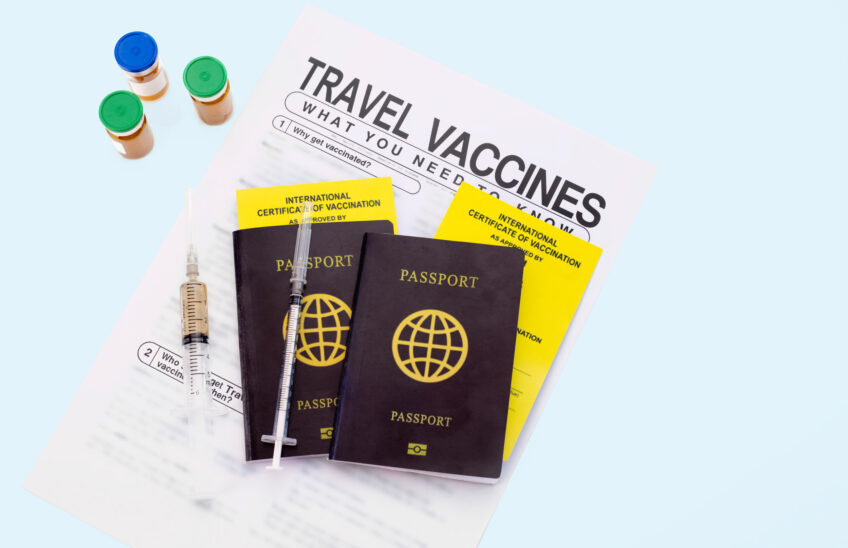
Contrary to what many travelers think, no special vaccinations are required for those entering Tanzania from the USA, the UK, European Union, or most countries around the globe.
The only exception to the vaccine requirements is for travelers from or who have visited countries at risk for Yellow Fever. If you fall into this category, a Yellow Fever vaccination is required for entry into Tanzania. If you do not have the vaccination, you can purchase it at the airport as you pass through immigration.
It is important to note that this vaccine has been a mandatory requirement for many years and remains the most requested vaccine for entry into Tanzania.
If you have not traveled to a country where Yellow Fever is a risk, you do not need to provide proof of this vaccination.
If you are planning an extended stay in areas of Tanzania where there is a risk of contracting malaria, it is wise to take precautions against this mosquito-borne disease. These measures are typically advised for travelers who are embarking on long-term journeys throughout Africa, not just in one country, or for those intending to live and work in Tanzania. Additionally, some travelers going on a safari, mountain climbing, or enjoying a beach holiday in Tanzania may also consider taking malaria prevention medications. This is a sensible approach to ensure that an unfortunate mosquito bite does not ruin your vacation.
While there are no required vaccinations in Tanzania (except in the possible case of Yellow Fever), there are several recommended vaccines.
Below is the valuable information to be considered by those considering travel to Tanzania. Many of these are standard precautions for travel to developing nations and if you are an avid traveler, you might very well have all of these vaccinations already.
The standard list of diseases against which tourists are recommended to get vaccinated against includes: tetanus, diphtheria, and Hepatitis A and B.
Tetanus is believed to be more common in countries near the equator. According to the World Health Organization (WHO) statistics, Tanzania is among the countries with the lowest incidence of tetanus, being categorised as “rare, very few cases” by their rating scale. The combined DPT vaccine against pertussis, diphtheria, and tetanus is often used for prevention. It is recommended that adults get revaccinated against the latter two diseases every ten years, so check if you’re up-to-date before travelling to Tanzania.
Hepatitis A virus most often enters the human body from eating or drinking contaminated water, while Hepatitis B might be contracted due to poor hygiene standards, or using contaminated personal tools (which might happen if you go to a nail salon or spa with poor sanitation). We strongly recommend drinking only bottled water during your trip to Tanzania. Hepatitis B virus enters with the biological fluids of the infected person. In most countries with a well-developed health care system, you can get a vaccination against both hepatitis types.
The above diseases pose danger to tourists in Tanzania to the same extent as in their home country. Theoretically, it is equally possible to injure oneself and get the wound infected during a regular walk in the park near your house as well as on an expedition in Tanzania. What poses increased risk is dirty water, which is why we provide all of our clients with bottled drinking water for the duration of their trip.
When it comes to extended recommendations, several additional standard vaccines are part of the national immunization calendars. For instance, travelers to Tanzania are advised to ensure they are vaccinated against diseases such as chickenpox, pertussis-diphtheria-tetanus, influenza, measles-mumps-rubella, polio, and shingles before their trip. Most of these vaccinations are typically given during childhood.
Additionally, you can protect yourself against typhoid fever, which can be contracted due to poor hygiene related to water, food, or contaminated surfaces. The CDC recommends this vaccination for individuals who plan to travel alone, live in rural areas, or eat outside of hotels in places with inadequate sanitation.
For those interested in volunteering with animals, such as through a dog rescue program, it is advisable to get vaccinated against rabies beforehand.
Travelers wishing to enjoy a safari generally do not face a risk of contact with animals, aside from the opportunity to take some fantastic photos!
If you are an American traveler seeking adventure in Tanzania, you may have visited the US Embassy’s website in Tanzania and noted the health warnings, particularly regarding malaria, dengue, and yellow fever.
Currently, there are no proven effective vaccines against malaria. Instead, there are medications that can help reduce the risk of contracting the disease, which should be considered before traveling to Tanzania. It’s advisable to discuss anti-malaria options with your doctor, as these medications can have different side effects.
Malaria is caused by a parasite transmitted through the bite of infected female mosquitoes. The disease is particularly prevalent in tropical regions where these mosquitoes thrive, typically in lowland, swampy, and wooded areas.
Optimal conditions for the reproduction of malaria-carrying mosquitoes include standing water, windless environments, and temperatures consistently above 20 °C. Therefore, areas located away from lakes or ponds, or those with a constant breeze, are less likely to have these mosquitoes.
For tourists visiting Tanzania for high-altitude climbing and safaris, the risk of malaria is minimal. While the chance of encountering infected mosquitoes may be slightly higher in hotels near swamps, accommodations are generally equipped with mosquito nets for guests.
In addition to taking anti-malarial drugs, travelers can further minimize their risk by following simple precautions: using mosquito nets and canopies at night, wearing long pants and long-sleeved shirts in the evenings and early mornings, and applying mosquito repellent.
Several foreign embassies in Tanzania have issued warnings to travelers about seasonal outbreaks of dengue fever on the islands of Zanzibar and mainland Tanzania. Dengue is a viral infection transmitted by specific species of mosquitoes and can lead to severe complications known as ‘severe dengue.’ While the World Health Organization (WHO) notes that severe dengue is primarily observed in certain countries in Asia and Latin America, outbreaks of the more common strain have also been reported in Europe.
The mosquitoes that can transmit dengue fever typically breed in stagnant water stored in containers for extended periods, such as emergency supplies. Fortunately, there are no such water storage practices in the accommodations used by travelers, nor are they observed at the partner hotels.
To protect against dengue fever, individuals are advised to follow the same precautions as for malaria: wearing long-sleeved clothing, using insect repellent during dawn and dusk, and employing mosquito nets on windows and over beds in accommodations.
While no team member has ever encountered dengue fever, it is important to stay informed about potential risks and to take proactive measures to safeguard your health.
Although tsetse disease (African trypanosomiasis) is not specifically highlighted by major organizations, it is important to bring attention to it. Commonly known as sleeping sickness, this disease results from infections by parasites called trypanosomes, which typically enter the human body through the bite of tsetse flies.
These flies thrive in warm and humid environments, often found near riverbanks or in areas with stagnant water. Individuals at risk include residents of rural villages and those working in professions such as logging, road construction, and fishing. Additionally, transmission can occur through the exchange of contaminated body fluids.
In Africa, there are two subspecies of the trypanosome that pose a threat to humans: Trypanosoma brucei gambiense, found in West and Central Africa, and Trypanosoma brucei rhodesiense, prevalent in South and East Africa, including Tanzania. According to the World Health Organization (WHO), the West and Central African variant accounts for approximately 97% of cases, while the East African variant, seen in Tanzania and neighboring countries, causes the remaining 3%. Notably, WHO reports that Tanzania has only identified between 1 to 10 new cases per year in recent years.
Tanzania’s successful efforts in controlling tsetse fly populations in Zanzibar have gained recognition and have been emulated by other countries.
While there is currently no vaccine for sleeping sickness, travelers can rest assured that the risk of encountering the disease in Tanzania is minimal based on the available data.
Our team is always here to help