Kilimanjaro Climbing Northern Circuit Route

Overview

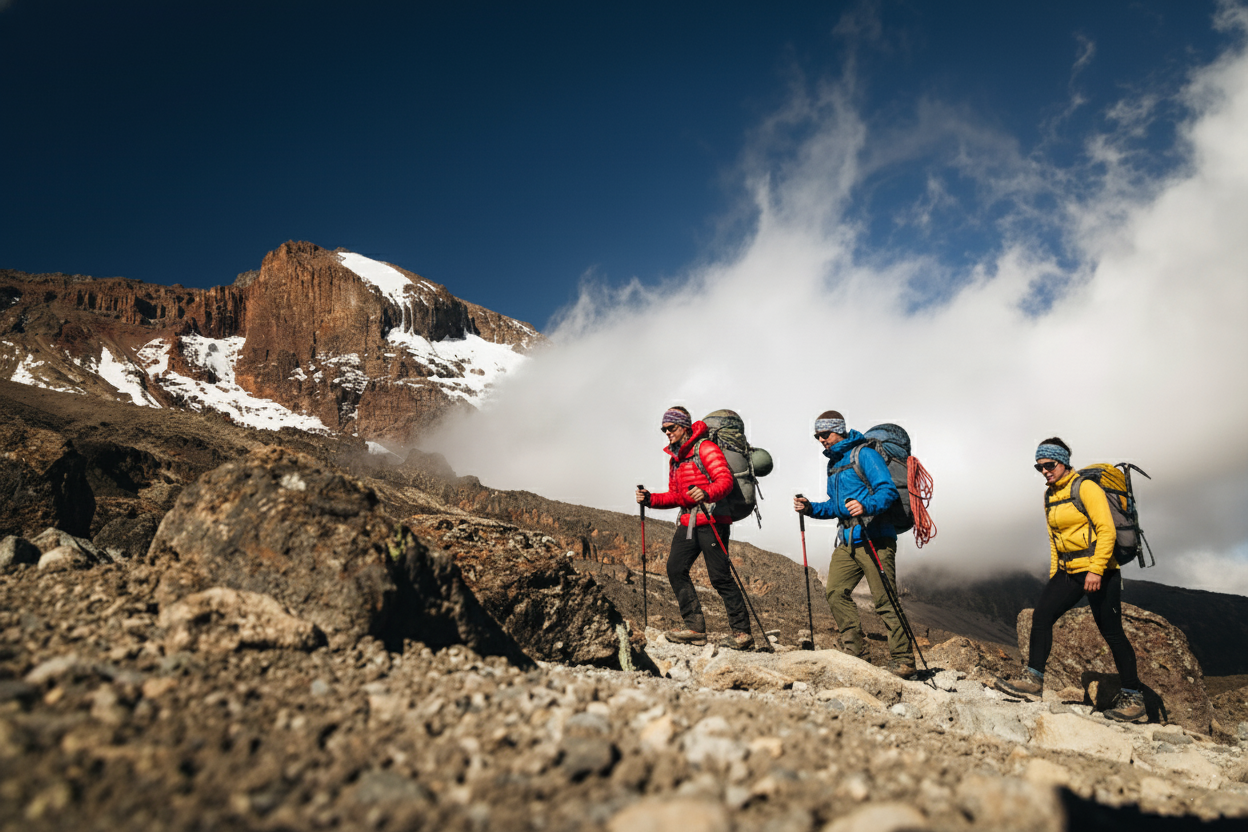
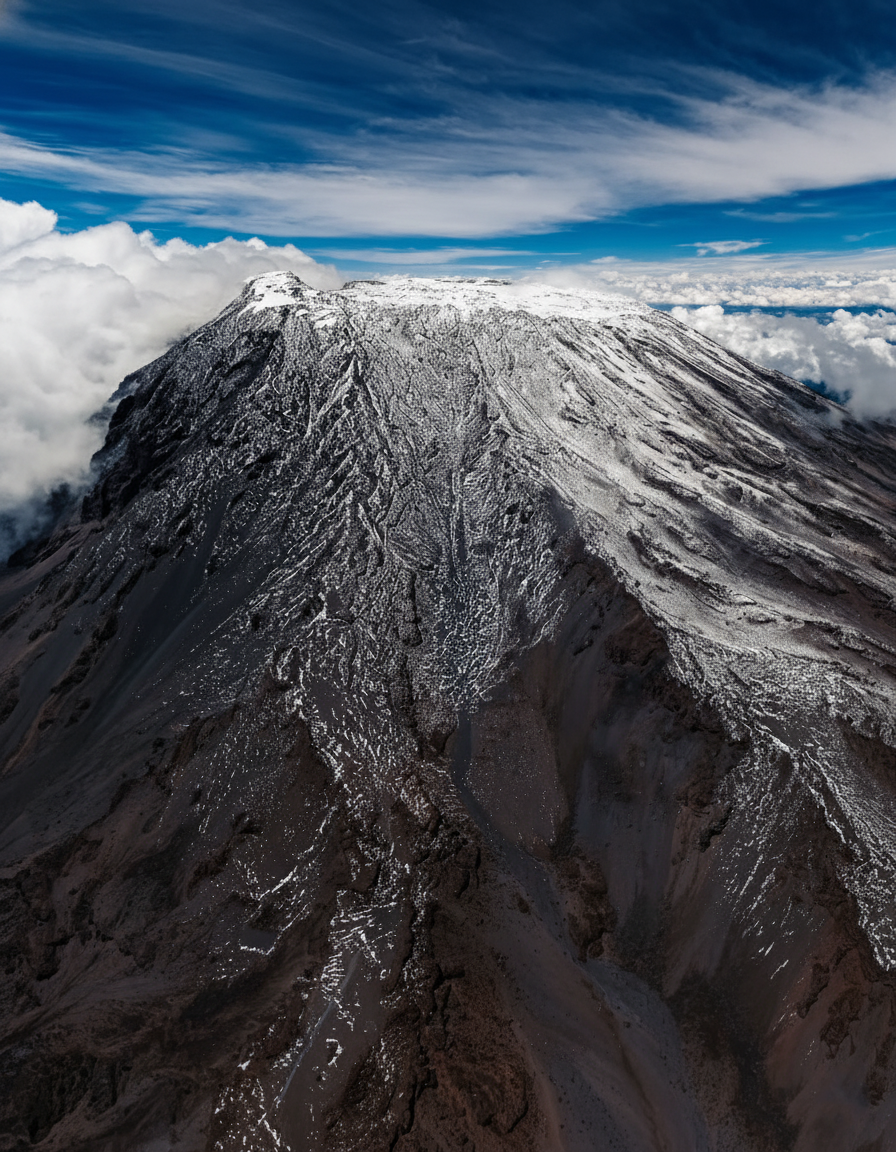
The Northern Circuit is the newest among the eight established routes to climb Kilimanjaro, and it boasts the distinction of being the longest route on the mountain. Unique among the climbing paths, it offers breathtaking views of Mount Kilimanjaro from all four sides. Some tour operators promote the Northern Circuit as the easiest route due to its extended itinerary and relaxed hiking pace. While it’s true that this trail provides excellent opportunities for acclimatization and features less strenuous daily ascents, those without experience in long hiking trips may find the 8-day journey more exhausting compared to shorter routes.

What sets the Kilimanjaro Northern Circuit apart is its exceptional acclimatization profile, stunning vistas, and secluded trails. As the least traveled route for climbing Kilimanjaro, it is ideal for adventurers seeking a more private experience free from crowds.

Imagine spending over a week exploring the magnificent “Roof of Africa.” As you ascend steadily, lush tropical forests gradually transform into remarkable high-altitude flora, such as Dendrosenecio kilimanjari. You are rewarded with spectacular views of the vast African savannah, the southern Kenyan plains, and the volcanic landscapes surrounding Mount Kilimanjaro. At night, you can gaze at the brilliant Milky Way, adorned with millions of twinkling stars.

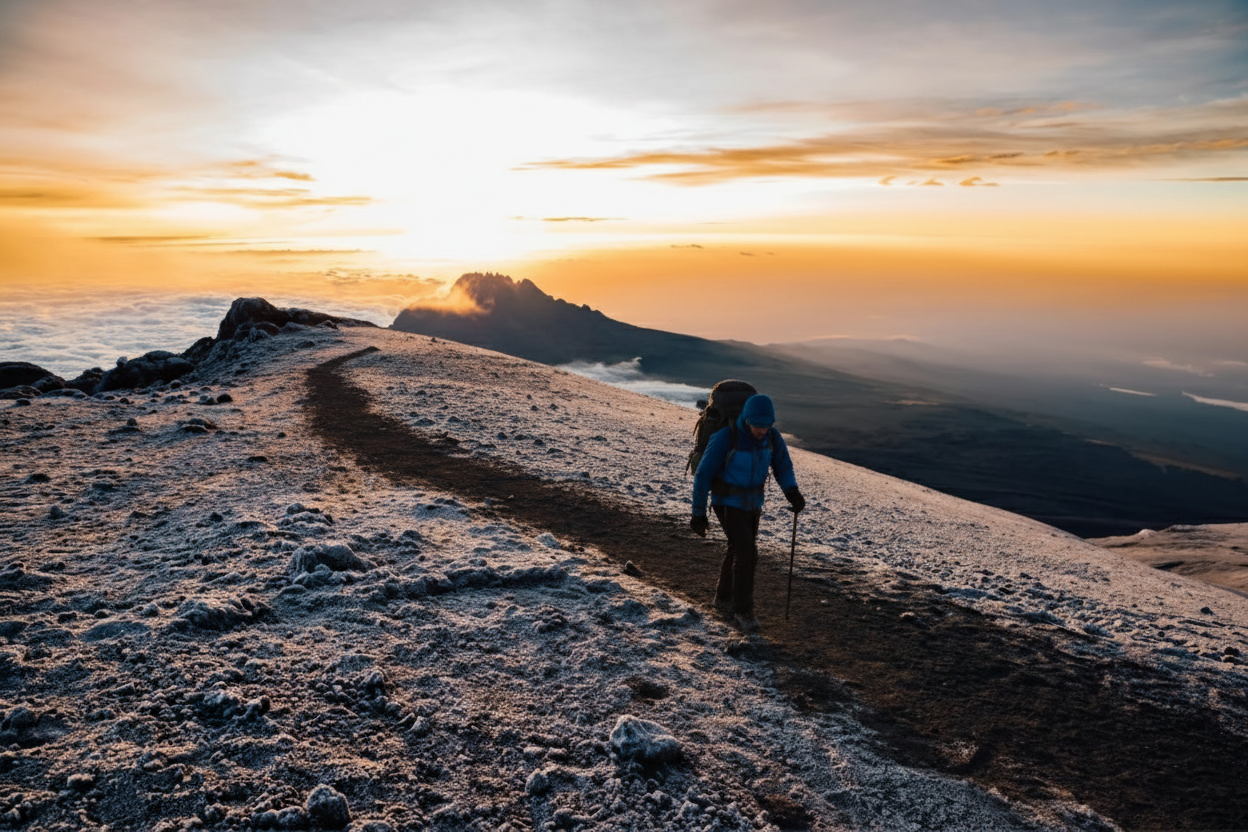
On summit day, you will ascend to Uhuru Peak, where you can witness a breathtaking sunrise, the iconic glaciers, and the unique alpine desert zone near the equator. For the most adventurous climbers, there’s an option to extend your experience by spending an additional night in the Crater, joining the select few who have the privilege to do so each year.

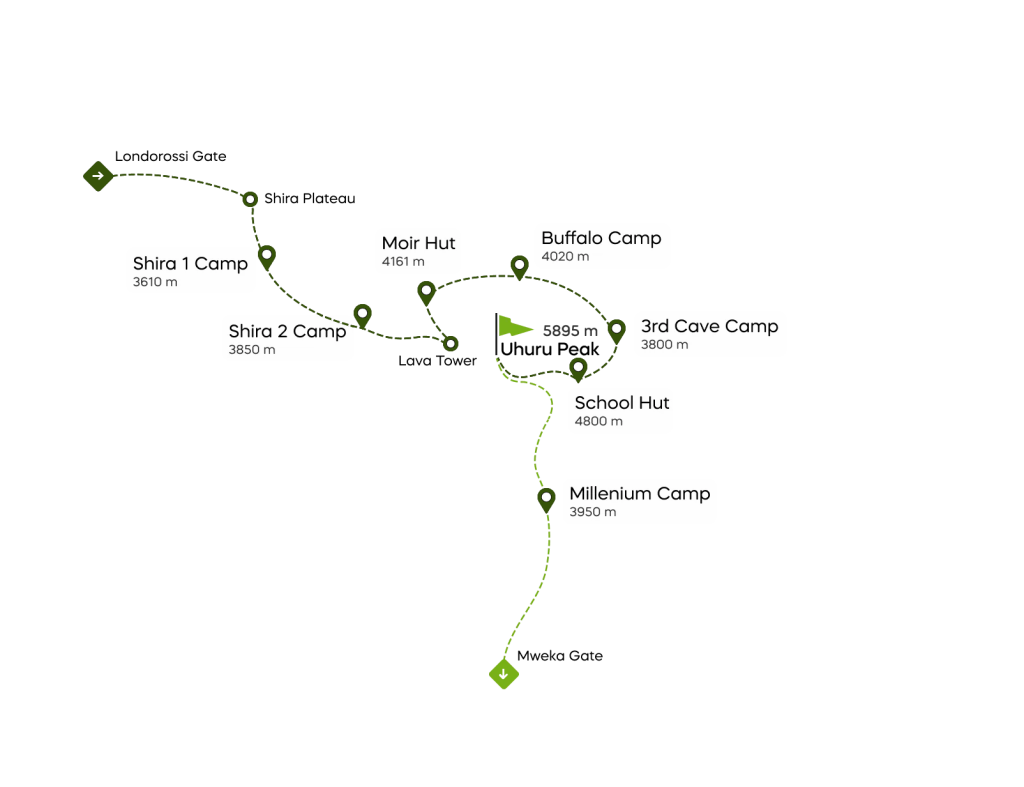
Lemosho route Map

Northern Circuit Route Summit Success Rates: An In-Depth Look

You may come across some local companies boasting summit success rates for the Kilimanjaro route that approach nearly 100%. However, based on over 10 years of experience and data collection, we present more realistic figures. For the Northern Circuit route with an 8-day itinerary, the success rates are as follows: 90.2% for reaching the Crater Rim and 81.3% for Uhuru Peak.

It’s important to note that if one hiker decides to turn back, and their partner chooses to accompany them, we classify both as having an unsuccessful summit attempt, which can impact the overall statistics. Nonetheless, most trekkers on the Northern Circuit do successfully reach the summit. The main challenge is not just altitude sickness or route difficulty; it’s the longer daily hikes that can exhaust those who are not adequately prepared by the final summit day.

At Roots and Routes Africa, we take several measures to ensure your expedition is as smooth and comfortable as possible, providing the support you need to safely reach Uhuru Peak. Firstly, we offer more oxygen tanks than all other Kilimanjaro tour operators combined. This allows us to provide extra oxygen to aid acclimatization and mitigate serious altitude sickness. We take pride in employing the best guides, porters, mountain chefs, and other specialists in Kilimanjaro, investing heavily in their education and training. Our guides have received thousands of outstanding reviews for their professionalism and positive, supportive demeanor. They conduct two medical check-ups each day to ensure that the acclimatization process is on track for every hiker in your group.

With over a decade of experience organizing Kilimanjaro expeditions and being the largest operator on the mountain, we have fine-tuned every aspect of our climbing itineraries. This includes nutritionist-designed meals, custom-made tents, and extensive medical kits, all designed with your safety and comfort in mind.

Northern Circuit Route Details

Arrival at Kilimanjaro International Airport (KIA), where you will meet an our representative, and transfer to the hotel at the rate. The hotel will provide all the essentials for a comfortable stay: cozy rooms, hot water, polite staff, a swimming pool, and Internet access. In the evening, there will be a briefing with our managers, who will also make sure you are ready to begin the climb.

Private tour packages include shared airport transfers for your group. Extra charges will apply for additional individual transfers. To avoid extra costs, sync your group’s arrival and departure times.

PLEASE NOTE: Check-in starts at 2:00 PM.

In the morning, your guide and climbing support team will meet you at your hotel for a final briefing. After this, you will drive for approximately 3-4 hours to the western entrance of Kilimanjaro National Park at Londorossi Gate (2,250 m / 7,380 ft).

Once you complete the necessary paperwork for climbing permits and register with the search and rescue service, your group will continue in vehicles to the drop-off point (3,414 m / 11,200 ft). Here, you will be greeted by stunning views of the Shira Plateau for the first time.

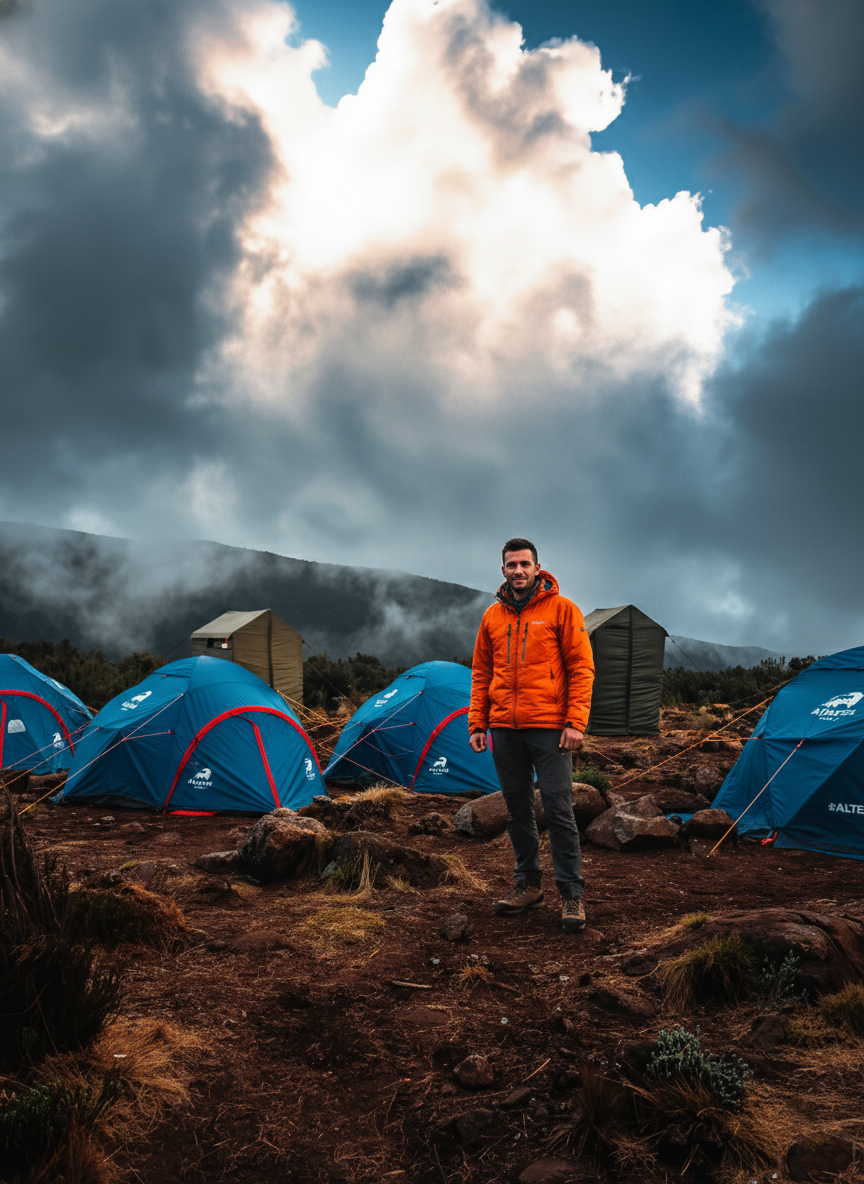
The route from the drop-off point to your first high-altitude camp, Shira 1, features a slight gain in altitude and is not very physically demanding. This allows you to begin the acclimatization process properly. By the time you arrive at the camp, the climbing team will have prepared everything for your comfort: the tents will be pitched, chairs set up, and refreshments along with a full dinner will be waiting for you.

PLEASE NOTE: This is your first day at high altitude, so it’s crucial to follow these instructions:

  • Drink over 4 liters of bottled water daily (in small amounts, frequently).
  • To help alleviate symptoms of altitude sickness, consider using a preventive measure like altitude medication. Many climbers take these pills in the morning before beginning their ascent to reduce discomfort from altitude sickness. Our managers will provide specific recommendations along with your travel itinerary. We advise consulting your doctor before the trip to discuss any potential allergies or health concerns.

At night, you may experience discomfort as your body acclimatizes to the high altitude. Due to a reduction in your breathing pattern at night, you will receive less oxygen than during the day. As a result, you might start feeling unwell and experience headaches. Pay close attention to your body, and inform your guide if you begin to feel any symptoms of altitude sickness.

After completing the quick formalities of acquiring climbing permits and registering with the search and rescue service, your group will continue in vehicles to the drop-off point (3,414 m / 11,200 ft). Here you will see stunning views of the Shira Plateau for the first time.

 
Trekking timeTrekking time:
1 hour
DistanceDistance:
4 km (2.4 miles)

This day brings yet another modest altitude gain of 240 m /787 f as you trek from Shira 1 Camp to Shira 2 Camp. The low physical demands of the trek will leave you with both time and energy to enjoy Kilimanjaro’s incredible views, magnificent flora endemic to the mountain, and, if the weather is favorable, views of Mount Meru, which is the 5th highest mountain on the continent.

PLEASE NOTE:After lunch, you will enjoy a 2-hour rest. You are then encouraged to take an acclimatization hike toward Lava Tower, which allows you to gain an additional 260 meters (853 feet) in altitude, helping you  further adjust to the elevation gain.

Acclimatization hike:
Change in ElevationChange in Elevation:
Shira 2 Camp (3,850 m / 12,631 ft)
Destination point en route to Lava Tower (4,110 m / 13,484 ft)
Hiking distanceHiking distance:
2 km (1.2 miles)
Hiking timeHiking time:
1-2 hours
 
Trekking timeTrekking time:
3-4 hours
DistanceDistance:
7 km (4.3 miles)

After breakfast, your group will depart from Shira 2 Camp (3,850 m / 12,628 ft) and hike to Lava Tower (4,600 m / 15,088 ft). This route presents a challenge for climbers, and many find this day physically more demanding than previous ones. Consequently, your team will take a lunch break at Lava Tower. After lunch and some rest, your group will climb slightly higher before descending to Moir Hut Camp.

On this day, you will embark on a relatively long but easy trek. The journey begins with a steep yet short climb out of Moir Valley, where you camped overnight. After that, the rest of the day will involve hiking around the northern slope of Kilimanjaro. Throughout the day, you will encounter both uphill and downhill climbs, but there will be no significant altitude gains.

This route runs close to the border with Kenya, offering stunning views of the Tsavo and Amboseli valleys.

 
Trekking timeTrekking time:
5-7 hours
DistanceDistance:
12 km (7.4 miles)

You will complete your trek up the northern slope of Kilimanjaro and spend the night at 3rd Cave Camp, where the route intersects with the classic Rongai route. On this day, the trekking distance is shorter than the previous day, and by this time, your body should be fully acclimated to the altitude of 3,800 meters (12,464 feet), which will help improve your overall well-being.

 
Trekking timeTrekking time:
4-6 hours
DistanceDistance:
8 km (4.9 miles)

On this day, you will be trekking to the School Hut Summit Camp, which is located at 4,800 meters (15,744 feet). The trek itself is not very difficult, but it’s important to maintain a steady pace to conserve your strength for the final ascent to Kilimanjaro’s summit. Once you reach the camp, we recommend that you go to bed early, avoid strenuous activities, and drink as much water as possible. During the night, you will wake up in the dark to begin the final trek up to Uhuru Peak, which stands at 5,895 meters (19,336 feet), marking the climax of your Kilimanjaro adventure.

 
Trekking timeTrekking time:
4-5 hours
DistanceDistance:
5 km (3.1 miles)

On summit night, your safety is our top priority. We will assign one guide for every two climbers to ensure close monitoring. The guide’s primary responsibility is to keep an eye on each climber’s health as you ascend to Uhuru Peak, which stands at 5,895 m (19,336 ft). The climb will begin at School Hut Summit Camp (4,800 m / 15,744 ft) around midnight. Although the climb is technically easy, the high altitude may make it feel more strenuous.

After reaching the summit, you will have the opportunity to walk to the nearest glaciers. The group will then descend to Barafu Camp for a two-hour lunch and rest break. Following the break, you will continue descending to Millennium Camp (3,950 m / 12,956 ft), where you will spend the night.

PLEASE NOTE: Be aware that 9 out of 10 accidents happen during the descent. Please pay careful attention to your steps to avoid potential falls, injuries, and damaged toes.

 
Trekking timeTrekking time:
10-13 hours
DistanceDistance:
16 km (9.9 miles)

Millennium Camp sits amidst a tropical rainforest. The lower altitude and feelings of accomplishment from having reached the summit make for a good night’s rest. Hot breakfast is followed by your final descent to the park’s exit gate: Mweka Gate (1,640 m /5,379 f). This is the final stop before you are taken to our office to receive your summit certificates. It also provides a good opportunity to recap the adventure with your support team and take a final team photo. Finally, you will be taken to your hotel for a well-deserved rest.

 
Trekking timeTrekking time:
4-5 hours
DistanceDistance:
12 km (7.4 miles)

Rest in the hotel and transfer to the airport.

PLEASE NOTE: Hotel check-out is at 11:00 AM. In case you need a late check-out because of an evening flight, there is the option to extend your hotel stay for an extra fee.


Other Mt. Kilimanjaro routes

Lemosho Route

6-8 days hike

Rongai Route

6-7 days hike

Machame Route

6-7 days hike

Planning for a great Adventure?

Our team is always here to help