This expertly timed 4-day safari focuses on location and precision to place you directly in the path of the Great Migration’s calving season.
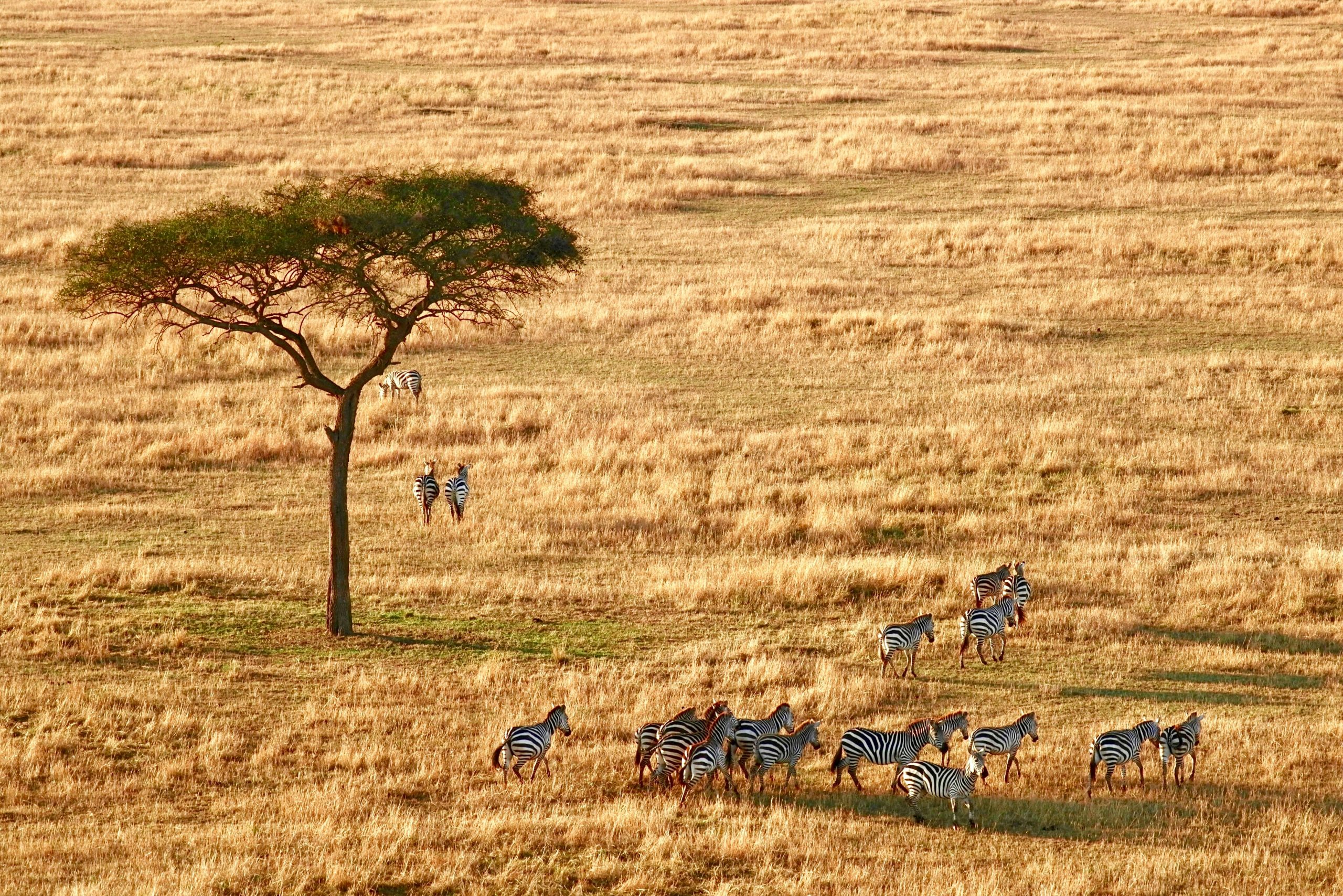
Key Timing & Location: From December to early March, the massive herds of wildebeest congregate on the open plains of the Ndutu region.
The Action: This is the most crucial period, as the herds pause for the dramatic calving season, which typically peaks in mid-January.
Front-Row Seats: Ndutu, part of the greater Ngorongoro-Serengeti ecosystem, provides unparalleled access to witness thousands of wildebeest giving birth and the dense population of predators who are never far behind.
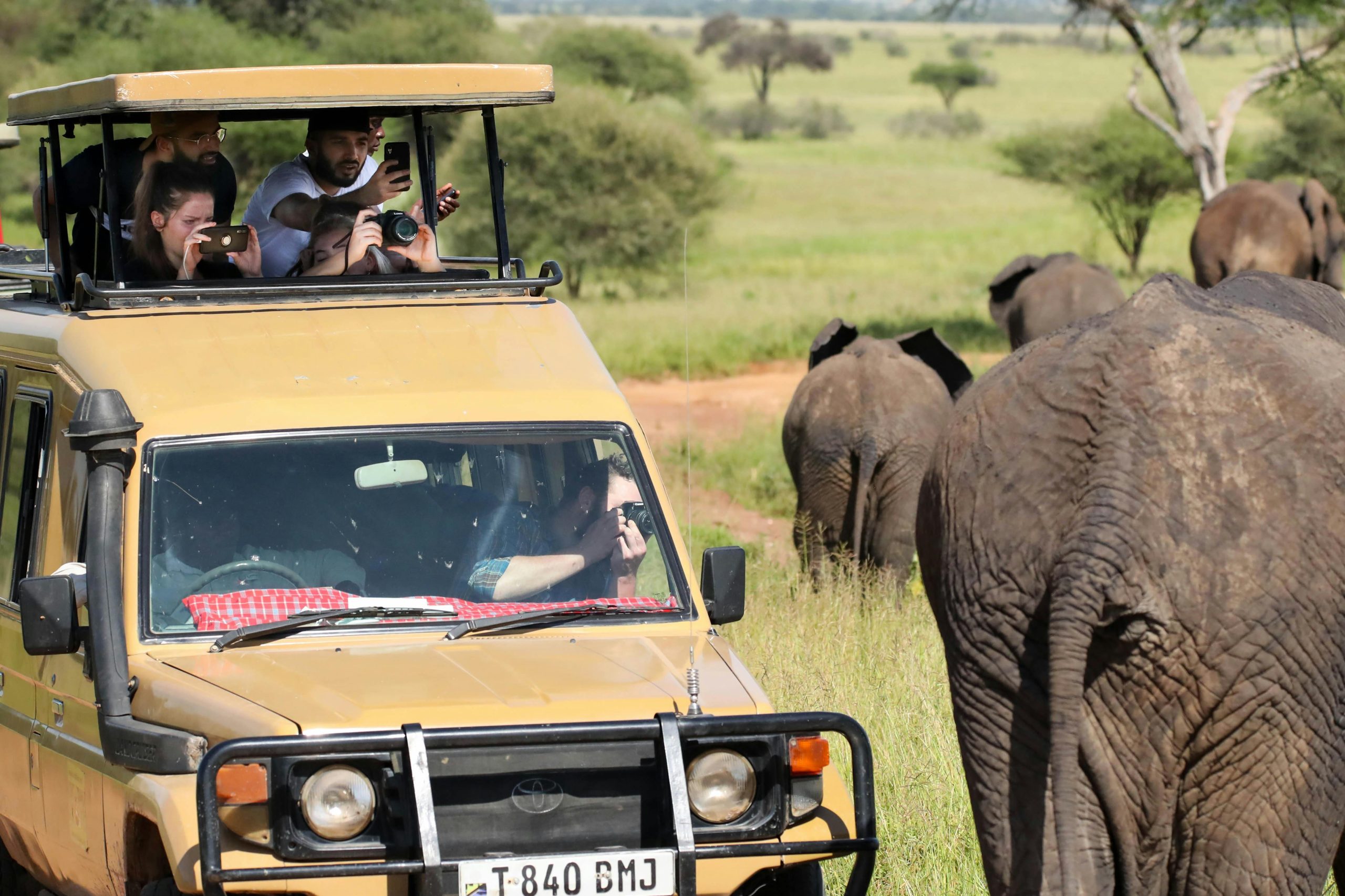
Tarangire National Park: Begin your adventure with a classic safari day, exploring Tarangire’s signature landscapes—home to ancient baobab trees and famously large elephant herds.
Ngorongoro Crater: Enjoy an exciting game drive inside the spectacular Ngorongoro Crater, a UNESCO World Heritage Site, before continuing your journey.
Ndutu Plains: Finally, you will travel to the heart of the action, the Ndutu Plains, where you will focus your game viewing around the concentrated migratory herds.
Experience: During the migration season, accommodation is in Seasonal Tented Camps—comfortable, semi-permanent lodges set up in the heart of the action.
Amenities: These camps are strategically placed in prime wildlife areas while providing a genuine safari experience, including:
Real, comfortable beds
En-suite bathrooms
Cozy evenings by the campfire
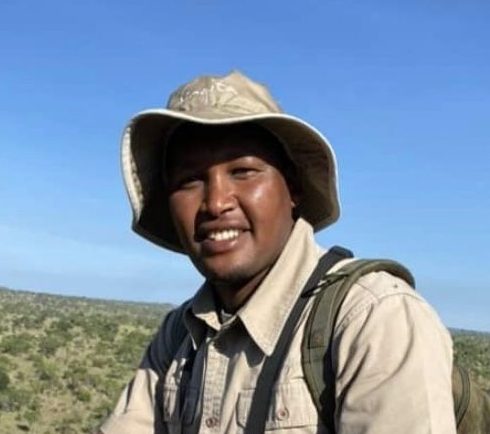
Regardless of your arrival time at Kilimanjaro International Airport, your Easy Travel driver-guide will be ready to welcome you with a genuine smile. Sit back and unwind in the comfort of your vehicle as you embark on a scenic one-hour journey to your hotel in Arusha, proudly known as Tanzania’s ‘safari capital.’ Along the way, you’ll catch a glimpse of this vibrant and bustling city, setting the stage for your incredible adventure ahead. Depending on when you arrive, you might have the opportunity to attend your pre-safari briefing today; if not, rest assured it will be scheduled for the early morning tomorrow. Get ready for an unforgettable experience!
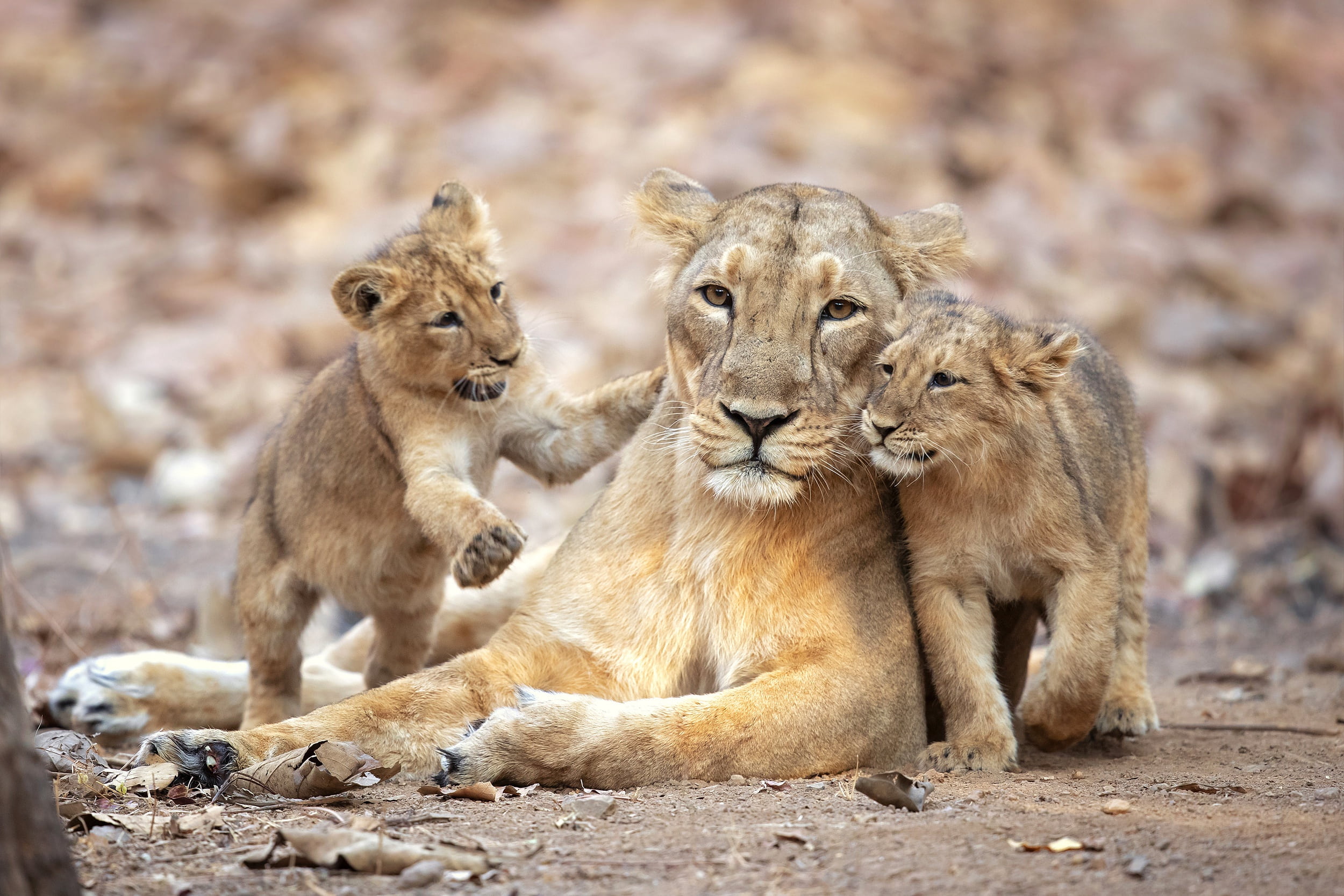
Today, your safari will take place in Tarangire National Park. This is one of the most interesting places in Tanzania! The river of the same name flows through the park, where giraffes, zebras, antelopes, and buffaloes come to drink. These animals attract predators, which is why a lot of lions live in Tarangire. You will definitely see them during your trip.
In the dry season, the Tarangire River becomes the only source of drinking water for many kilometers around. Because of this, large herds of elephants come to Tarangire, making Tarangire the home to the largest population of elephants in Northern Tanzania for most of the year (especially June – October and December – March). Elephants are not at all intimidated by visitors to the park, and they often come quite close to cars. This is completely safe, since elephants have no enemies in their natural environment, they are naturally curious and unafraid.
Note: Tarangire National Park is also known for its ancient baobab trees. These massive trees are larger and older than any other park in continental Africa. The scenery, accented with these signatory trees is simply stunning.
Today you are going to the Legendary Ngorongoro Crater! Your day will begin early in the morning, when your guide arrives to drive you to the Ngorongoro Crater, part of the Ngorongoro Conservation Area. The Crater is somewhat reminiscent of The Lost World by Sir Arthur Conan Doyle: here you will witness tens of thousands of wild animals living in the massive crater left by a huge ancient volcano. The actual crater is relatively small, you consider that it is home to the most variety of animals per square meter than anywhere else in the world! Here, you are sure to see a great number of animals within proximity to one another.
The descent into the crater will take about half an hour of driving. The road passes through beautiful, lush forests with great scenery. Your safari guide will make a stop to see the ‘look out’ which is a place offering a stunning panoramic view of the entire crater. Contrary to popular myth, animals can go outside the caldera. However, most of them are safe and comfortable inside the caldera which provides an unlimited supply of fresh grass for grazers and easy prey for predators. Therefore, they prefer to remain in the crater t all the time.
Elephants, buffaloes, antelopes, lions, cheetahs, zebras and other African animals can be seen in Ngorongoro Crater. This is one of the few places in Africa where rhinos are found, although, remember that they are an endangered species, so there are very few of them. One animal that is absent are giraffes; you will not spot any of them in the crater because, due to the build of their bodies, including legs and long necks, they cannot walk down into the crater.
After your morning game drive around the crater, you will stop at the picnic area next to Lake Magadi for a snack and rest. This place is popular with various birds, including kites, who sometimes try to steal food right from the table! While not dangerous, at all, it is a good idea not to leave any food unattended. One of the draws of Lake Magadi are the hippos that live in the area. You’re sure to enjoy watching them while you eat lunch. These huge animals stay close to the shore and often surface to get air. If you do see one walking out of the water, give it plenty of space. Due to the large number of animals and endemic plants, Ngorongoro Conservation Area is a UNESCO World Heritage Site and is renowned for its natural significance in the world.
Please do not feed animals in Ngorongoro or any other parks in Tanzania. Even if you really want to treat a small bird or monkey, you should not do this – you will only harm them. Human food disrupts the natural diet of animals and can lead to their early death!
Remember, this is not just our request. This is a law which is enforced by park rangers. Any person caught feeding wildlife or violating other park rules may be fined.
Today your safari will take place in the southwestern corner of Ngorongoro, in an area called Ndutu. It borders the Serengeti, from where animals often come to Ndutu in search of fresh grass. While there are very beautiful panoramic views, few other tourists venture here, meaning you will feel like you have the place to yourself.
The Ndutu area is on the Great Migration route and it is here, from late January to mid March, that the wildebeests give birth. During the calving months, visitors can see thousands of baby wildebeests arrive into the world. One of the unique traits of these animals is that newborn wildebeests can walk within a few minutes of birth, and run within a few hours! This ability is essential for survival in Tanzania’s wild because predators see newborn wildebeests as easy prey. What is bad news for wildebeests is an excellent opportunity for safari-goers to spot all the Big Cats of Tanzania within a few days: lion, leopard, cheetah, serval, and caracal.
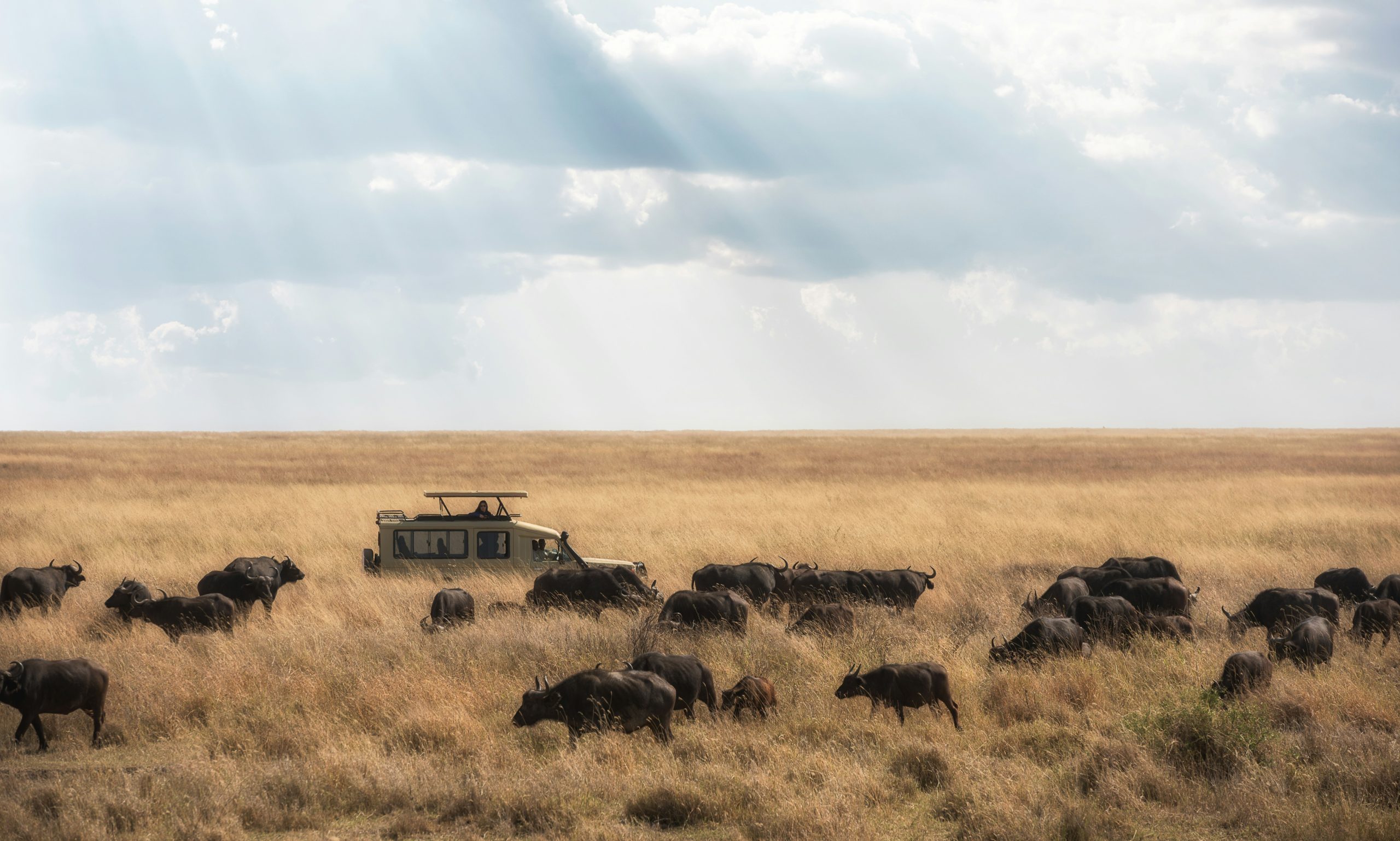
Ndutu has all the big African mammals: elephants, giraffes, antelopes, and other inhabitants of the savanna come close to safari jeeps and look with curiosity. You can come here all year round – there are always a lot of animals in Ndutu!
The area also has two lovely lakes: Ndutu and Masek, where animals come to drink. The lakes provide amazing photo opportunities; they are lined with stunning acacias and animals of all kinds come to drink the peaceful water.
This area also has historic significance: it was in Ndutu in 1973 that the remains of ancient people and the first primitive tools were found: stone axes, hammers and spears. Scientists studied them and came to the conclusion that they are more than 500,000 years old! This once again confirms the assumption that Africa is the Cradle of Humanity.
Rest in the hotel and transfer to the airport.
Note: Hotel check-out is at 10:00 AM. In case you need a late check-out before your evening flight, you have the option to extend your hotel stay for an extra fee. Let your manager know in advance if you need a late check-out.
Transfers
Accommodation & Meals
Guiding & Game-Driving
Please note:
Our team is always here to help